The tech world is always on the look out for the next big thing, particularly if it can be billed as a trend rather than a one-off event. Over the past couple of years, one of the most cited “trends” has been for wearable tech: gadgets that double up as a form of jewelry, clothing or other object that you have on your body in a natural manner rather than sticking in a pocket or carrying in a bag. But while there are plenty of these gadgets on show at tech fairs, is wearable tech really going to break the consumer market?
The Ten Million Dollar Hit
The moment when wearable tech went from a buzzword to a real phenomenon came in 2013 with the release of the Pebble, an independently produced smartwatch. Rather than being a self-contained gadget, it connects wirelessly to a smartphone and displays key information such as text messages without the need to retrieve the phone.
The makers of Pebble tried to raise the money to make the device through Kickstarter, a site where users can donate to a project in return for benefits — in this case, effectively pre-ordering the device. Although the makers hoped to raise $100,000, they actually raised more than $10 million this way, making it the most funded Kickstarter project ever. Best Buy later picked up the device and total sales are said to have exceeded 300,000.
The Tech Behind Wearable
Although the idea of wearable tech goes right back to the days of video-watches in the Dick Tracey cartoons, several tech advances have made wearable gadgets more viable, particularly with watches and other wrist-based devices. Bluetooth connections make it possible to connect smartwatches to phones, which can handle much of the processing. That overcomes the space limitations of watches, leaving the wrist device as more of a display with limited inputs.
The popularity of the Android operating system, which is made freely available to software developers, has meant its now possible for manufacturer to make a wearable device, safe in the knowledge that if it takes off, developers will support it with dedicated applications.
The introduction OLED (organic light-emitting diode) tech allows for ultra-flexible displays. That means manufacturers can make larger and more detailed smartwatch displays that wrap around the wrist, rather than having to be kept flat and small to be sure to fit every size of arm.
Electronic ink, such as that used in Kindles, has been a big boost for products such as the Pebble. It drastically reduces power consumption, removing the need for overly-bulky devices or frequent inconvenient recharging. E-ink doesn’t allow for the rapid screen refreshes needed for video or animation, but that’s not a problem for manufacturers who want to use smartwatches only for specific purposes such as displaying incoming text messages or giving quick access to information.
Who’s Doing What?
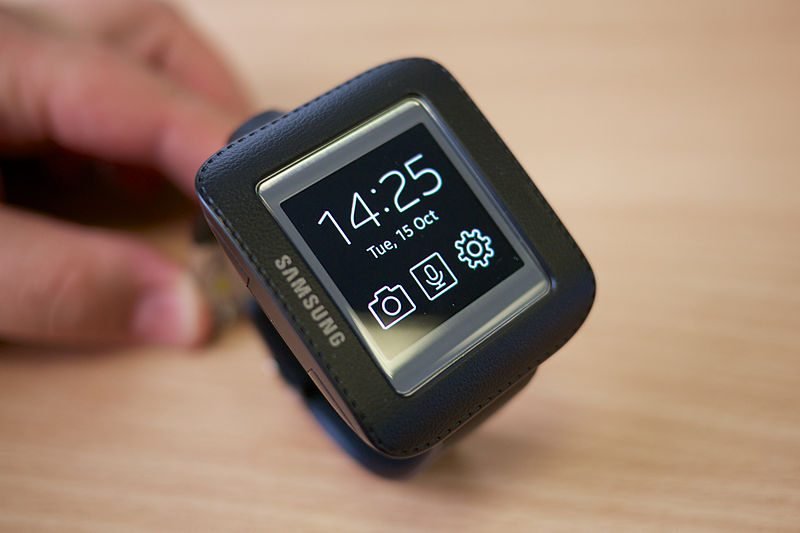
In terms of major tech firm support at least, wearable tech is no longer niche. Samsung is the most advanced as far as marketing a product: it’s already selling the second edition of Gear, a Pebble-like watch that connects to Samsung Galaxy phones and tablets. However, while shipments and sales have been reported as impressive, reviews have generally been poor and there are claims that a high proportion of users have returned their Gear device for a refund.
Apple is always at the center of the wearable tech rumor mill, but there’s still no official word of any release. Analysts still expect it to launch an iWatch at some point in 2014, designed as a companion to the iPhone and iPad. A popular theory is that the iWatch will include several medical and health features based on a combination of tracking movement throughout the day and factors such as pulse rate. Apple also has a patent on building similar technology (minus the display) into a set of headphones, though there’s no word on whether that’s being developed into a product.
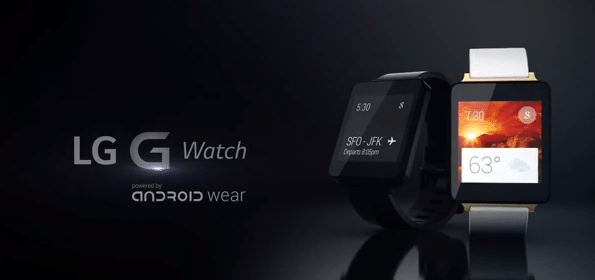
LG has posted a video revealing that it’s working on “G Watch”, a watch that connects to Android devices. At the time of writing, the company hadn’t released any details of price or specifications.
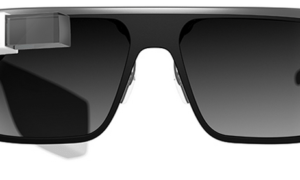
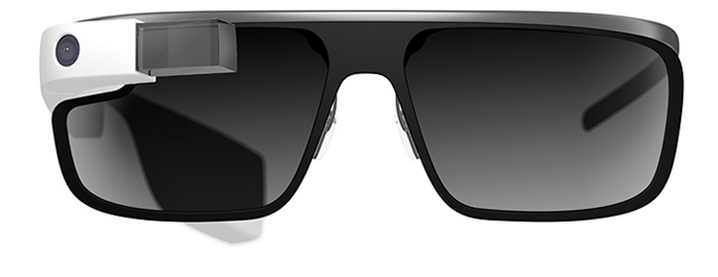
Google has attracted the most attention with its high-tech Google Glass. It combines a tiny lens-mounted display with an earpiece, camera and microphone to create what’s been described as “a smartphone in a pair of spectacles”, though actually it needs to hook up to a smartphone to get an internet connection. Google has done a tremendous hype job by making the devices only available to select invited buyers, with influential figures on social media among the early users. There’s been so much controversy about whether the device compromises privacy or breaches driving laws that it’s easy to forget it only went on public sale in May 2014 and is still only in a beta version.
Bubble Or Boom?
Despite all the excitement about wearable tech, it’s far too early to call it the next big thing. The only major devices on widespread sale in finished form are Samsung’s Gear (whose sales performance can be called mixed at best) and the Pebble (which has sold fantastically for an independent project, but is certainly not a mass-market hit.)
There’s certainly a danger that a lot of the wearable tech hype is built up by people looking for a new concept now that smartphones seem to be hitting saturation point and the improvements and changes for each new generation of handsets seem to be getting less dramatic.
The big problem is that wearable tech as it is currently envisioned seems to be an inherently niche, subset market. Most of the smartwatches either in development or on sale are designed as add-on gadgets for smartphones rather than standalone devices. There’s no doubt many people would find such a gadget useful, but there’s still a serious question about whether they’d place enough value on those added benefits to make it economically viable to make the devices.
Of course, just as it did with the app-based smartphone and the tablet computer, there’s always the possibility that Apple could create a demand that boosts the entire industry. (i)Watch this space.